As summer fades and the days gradually become shorter, some people notice changes in their mood, energy, sleep, and motivation. Sometimes, these changes are more than the usual adjustment to a new season.
If the fall and winter months tend to bring a heaviness that is hard to shake, it may be worth understanding what Seasonal Affective Disorder is, how to recognize it, and when it makes sense to reach out for support.
What Is Seasonal Affective Disorder?
Seasonal Affective Disorder, commonly known as SAD, is a form of depression associated with seasonal changes. It most commonly begins during the fall or winter months and can affect how a person feels and functions in daily life.
Common Signs to Watch For
Recognizing these changes early can make it easier to seek appropriate support.
Small Steps Can Make a Difference
Maintaining a consistent sleep schedule, spending time outdoors, staying physically active, and remaining socially connected can all support emotional wellbeing through the darker months.
When symptoms begin interfering with work, relationships, or everyday life, talking with a mental health professional may also help.
A Seasonal Self-Check
When the seasons change, check in with yourself
As the days get shorter, it can be hard to tell whether this is simply adjusting to fall or something more. Select anything that has felt true over the past two weeks.
Where this leaves you
If several of these feel familiar, talking with a mental health professional may help. A free, no-pressure consultation is a simple first step.
This checklist is a reflection tool, not a diagnostic screening. In a crisis, or if thinking about self-harm, call or text 988 (Suicide & Crisis Lifeline) at any time.
Someone You Know May Need Support
You may be doing well, but perhaps someone in your life is having a more difficult time.
If a friend, family member, colleague, or loved one has been struggling with a problem, anxiety, or a difficult transition, you are always welcome to share NYC Psychotherapy Cooperative with them. Our experienced therapists work with individuals, couples, and families in a compassionate and supportive environment.
Frequently Asked Questions
How is SAD different from the winter blues?
The winter blues are usually mild and pass on their own. SAD tends to last most of the season and begins to affect sleep, energy, work, or relationships. When the changes start getting in the way of daily life, it is worth talking with a professional.
Can therapy help with seasonal depression?
Yes. Talk therapy can help identify patterns, build supportive routines, and address the thoughts and feelings that deepen during darker months.
What happens in a free consultation?
The free thirty-minute consultation offers space to share what is going on, ask questions, and get a feel for whether the fit feels right. There is no pressure to commit.
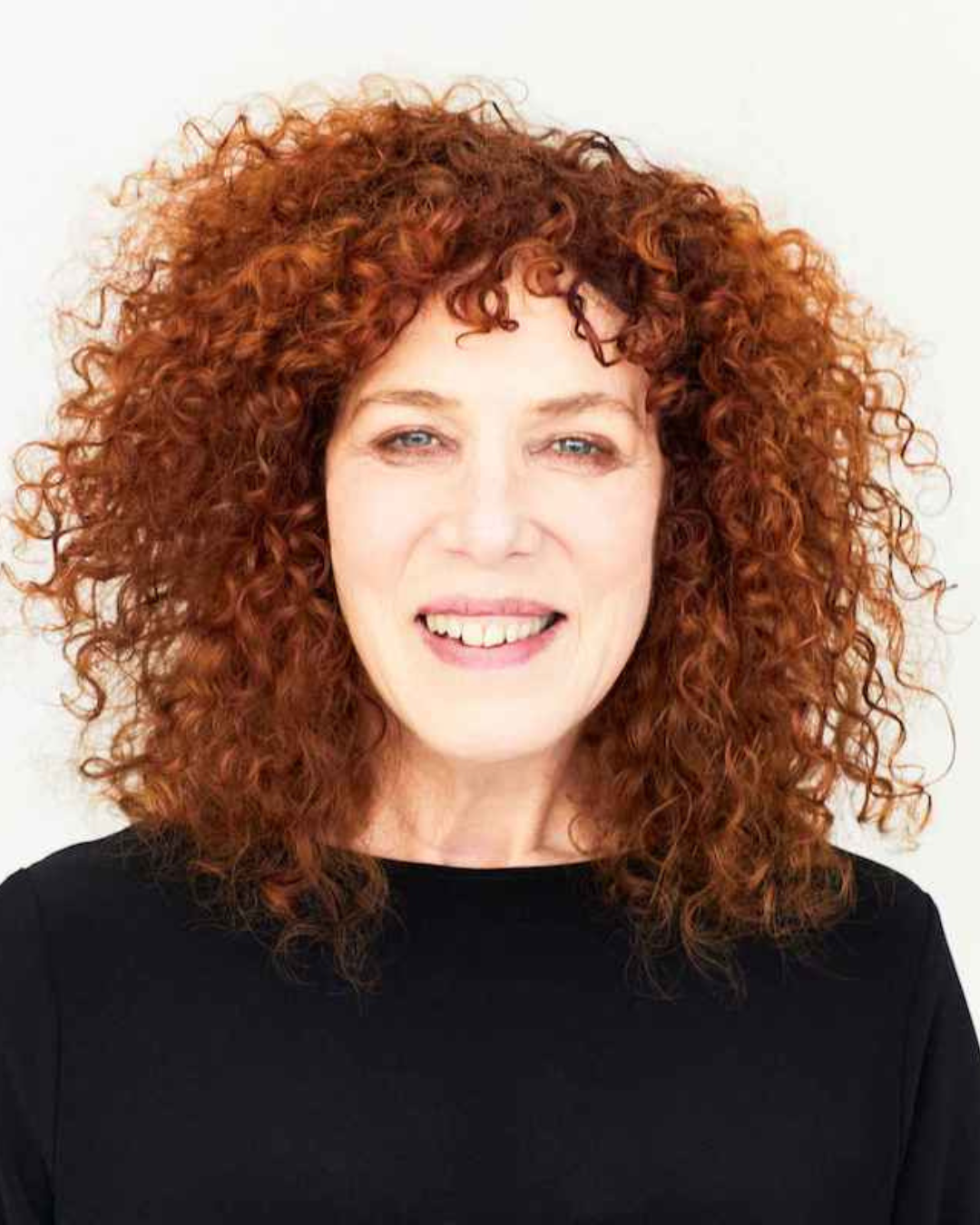
I am an individual psychotherapist who has been practicing for over 30 years. Because of my extensive training, I am equipped to treat numerous conditions. My areas of specialization focus on depression, bipolar disorder, anxiety, self-esteem, and problems originating in childhood. If you are facing any of these challenges, then you have found the right therapist. Highly intuitive, gentle, curious, and a good listener, I value a stance that is open-minded and non-judgmental. I provide a calming and affirming environment in which you are free to share your issues and problems.