

Understanding Psychotherapy for Depression
Psychotherapy, also known as “talk therapy,” is a prevalent and effective treatment for depression. Through verbal communication, it identifies and regulates troubling thoughts, emotions, and behaviors. It assists individuals in coping with stress, fear, and sadness, promoting mental well-being.
Tailored Approaches to Psychotherapy
Various psychotherapeutic approaches, tailored to each person’s needs, complement medications. They equip individuals with skills to recognize and navigate challenges, preventing future depressive episodes.
Benefits of Psychotherapy in Depression Treatment
Under a skilled therapist’s guidance, psychotherapy offers numerous benefits, including stress reduction, encouragement to seek treatment, identification of triggers, restoration of control, and development of effective coping strategies.
Incorporating Psychotherapy into Depression Treatment
While psychotherapy alone may not suffice for severe depression, it plays a crucial role in comprehensive treatment plans, effectively preventing relapse. Even those with mild depression benefit significantly. Seeking assistance from certified professionals ensures effective therapy.
Empowering Healing through Psychotherapy
Psychotherapy is a valuable tool in combating depression, providing holistic support. Whether standalone or alongside other treatments, it equips individuals with essential tools for healing. Contact us today to begin your journey to emotional well-being.
FAQ
1. What is psychotherapy for depression, and how does it work?
Psychotherapy for depression—also called talk therapy—is a professional treatment that helps individuals explore and understand the thoughts, emotions, and behaviors contributing to their depression. Through guided conversations with a trained therapist, clients learn to recognize unhelpful patterns, develop healthier ways of thinking, and build coping strategies that support emotional well‑being. It equips people with tools to manage stress and sadness more effectively over time.
2. Who can benefit from depression psychotherapy?
Start Your Path to Healing
Seeking personalized support for anxiety or depression? Speak with a therapist at our Midtown Manhattan office today to find the right support for your journey.
Anyone experiencing persistent low mood, loss of interest in daily activities, difficulty concentrating, changes in sleep or appetite, or feelings of hopelessness may benefit from psychotherapy. It’s useful at various stages of depression—whether someone is newly noticing symptoms or has been coping for years. Because therapy is tailored to individual needs, it can support people across different life situations and levels of symptom severity.
3. What kinds of therapeutic approaches are used in treating depression?
There are several evidence‑based approaches used in depression therapy. Common ones include Cognitive Behavioral Therapy (CBT) to change negative thought patterns, Interpersonal Therapy (IPT) to improve relationships and social functioning, psychodynamic therapy to explore deeper emotional patterns, and mindfulness‑based strategies to increase present‑moment awareness. Therapists often personalize these approaches based on individual needs.
4. How long does depression psychotherapy typically take to show results?
The timeline for seeing changes in depression varies. Some individuals notice improvements within a few weeks as they begin applying new coping skills, while others may engage in therapy over several months for deeper understanding and long‑term resilience. The pace depends on the severity of symptoms, personal history, and the specific goals set with a therapist.
5. Can psychotherapy be combined with other depression treatments?
Yes. Psychotherapy is often used alongside other treatments such as medication, lifestyle changes, and support groups to provide comprehensive care. For many people with moderate to severe depression, combining therapy with medication enhances symptom relief more effectively than either approach alone. A therapist can also help clients develop strategies to cope with medication side effects and integrate skills that support overall recovery.
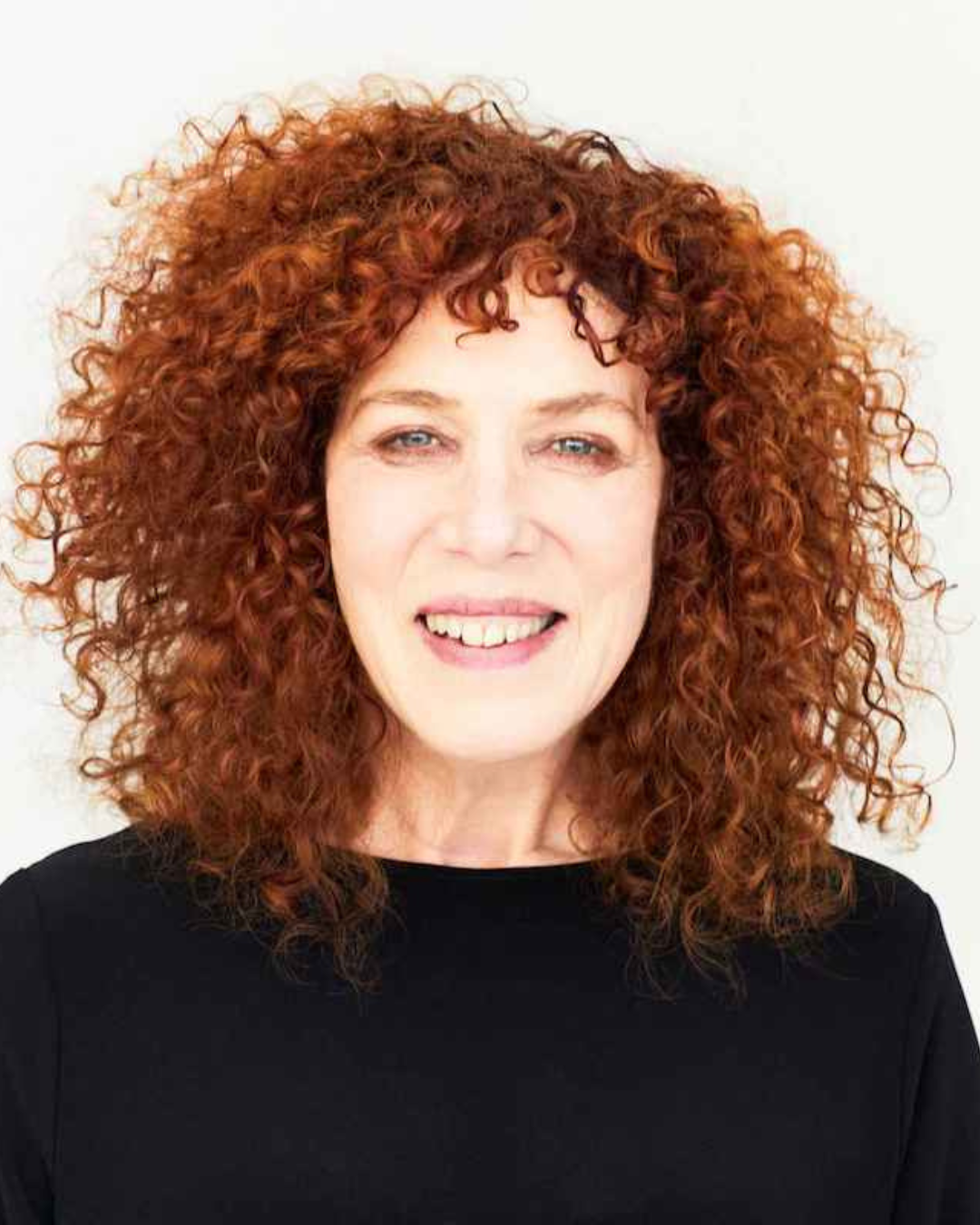
I am an individual psychotherapist who has been practicing for over 30 years. Because of my extensive training, I am equipped to treat numerous conditions. My areas of specialization focus on depression, bipolar disorder, anxiety, self-esteem, and problems originating in childhood. If you are facing any of these challenges, then you have found the right therapist. Highly intuitive, gentle, curious, and a good listener, I value a stance that is open-minded and non-judgmental. I provide a calming and affirming environment in which you are free to share your issues and problems.