


Trauma is a pervasive problem. It results from exposure to an incident or a series of events that are emotionally disturbing or life threatening with lasting effects on the individual’s functioning and mental, physical, social and emotional well being.
At NYC Psychotherapy Cooperative, we provide a safe and compassionate environment where you can begin to process painful experiences without fear of judgment. Our therapists use trauma-informed approaches—drawing from psychodynamic therapy, grounding techniques, and mindfulness-based strategies—to help reduce distress and build resilience. Healing from trauma is not about forgetting the past but about reclaiming strength, restoring self-trust, and finding new ways to live fully.
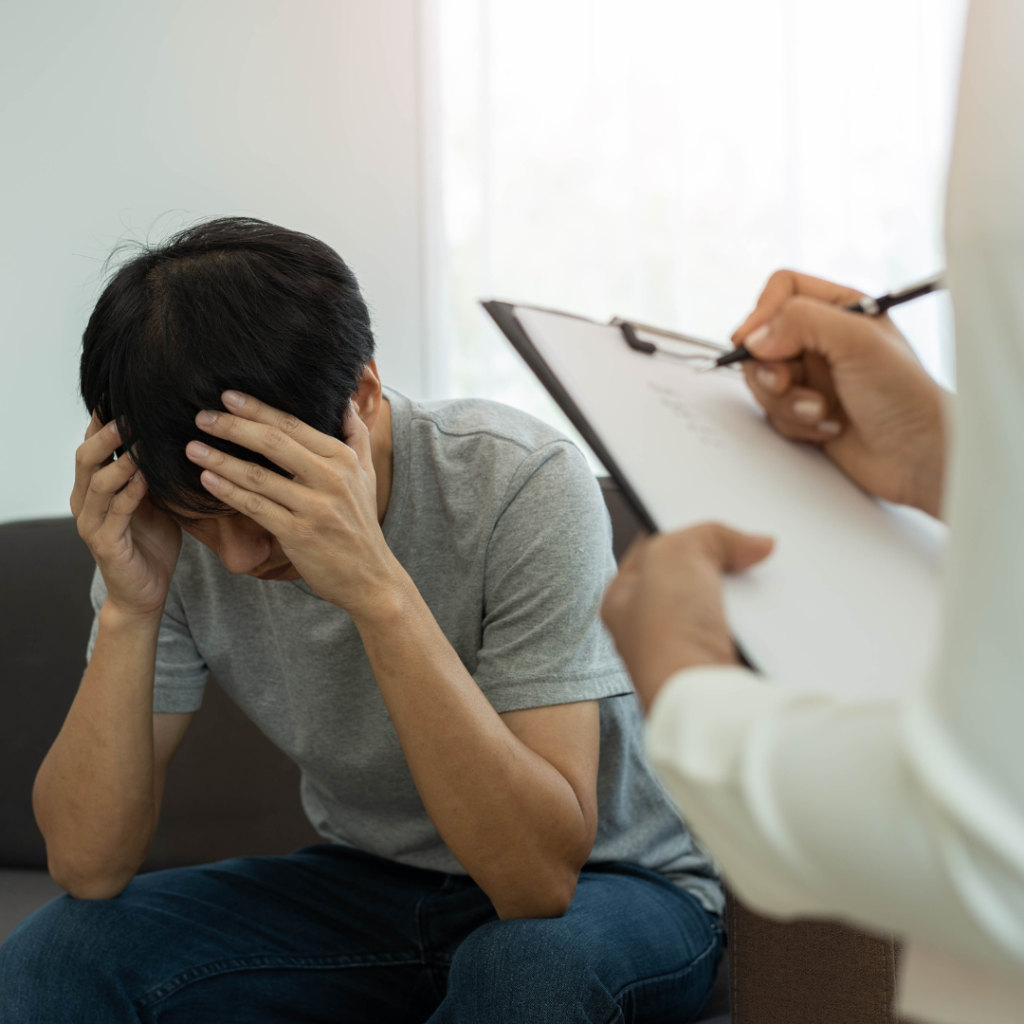
“My therapist moved at my pace and never faster. Feeling in control is what made it possible to face difficult memories in the first place.”
“I thought what happened to me was too far in the past to matter. Brannan showed me how much it still shaped my daily choices.”
“I have started to trust myself again. After years of doubting my own reactions, that shift has affected my work and my friendships.”
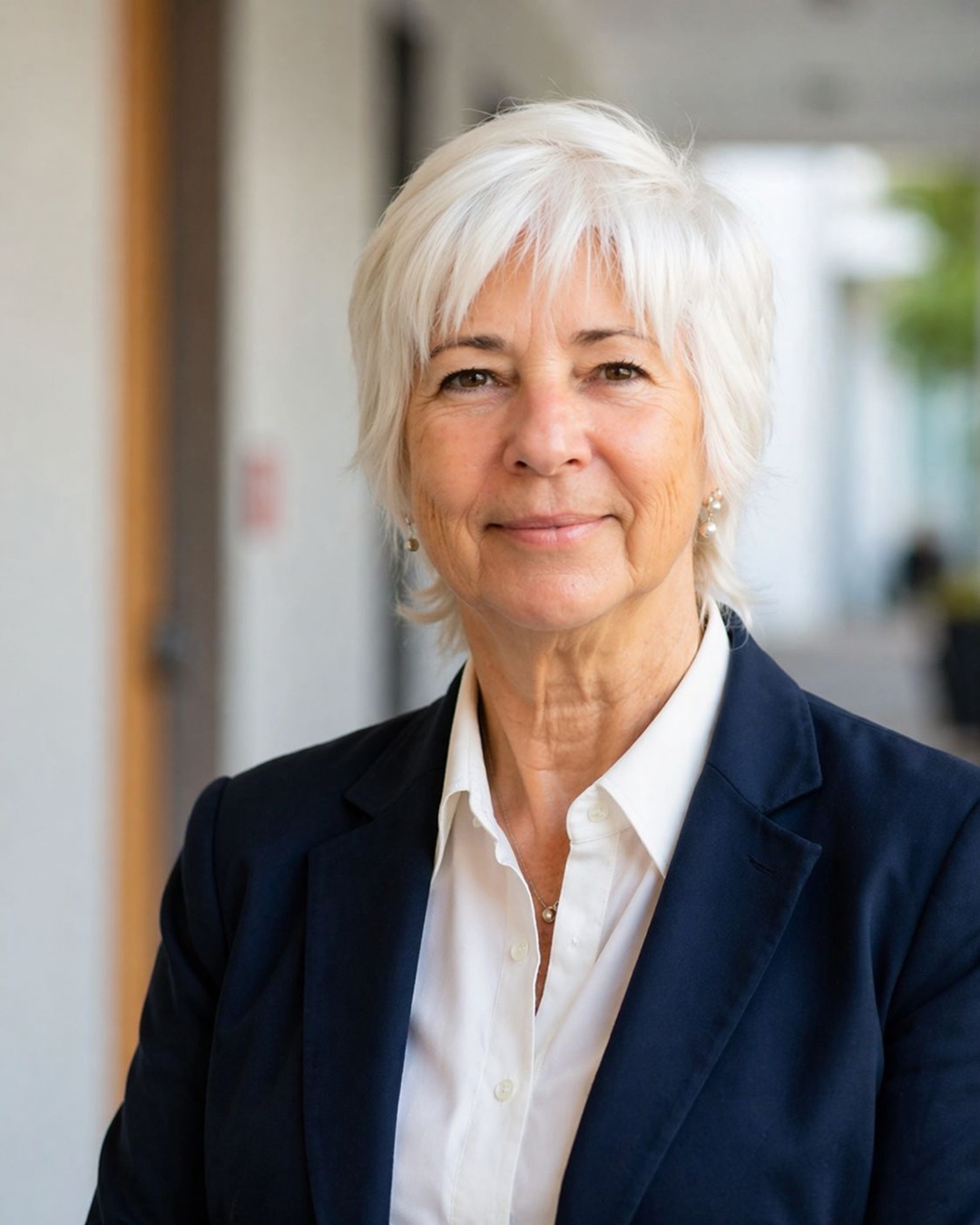
Helps partners and families slow down, understand, and move forward together.
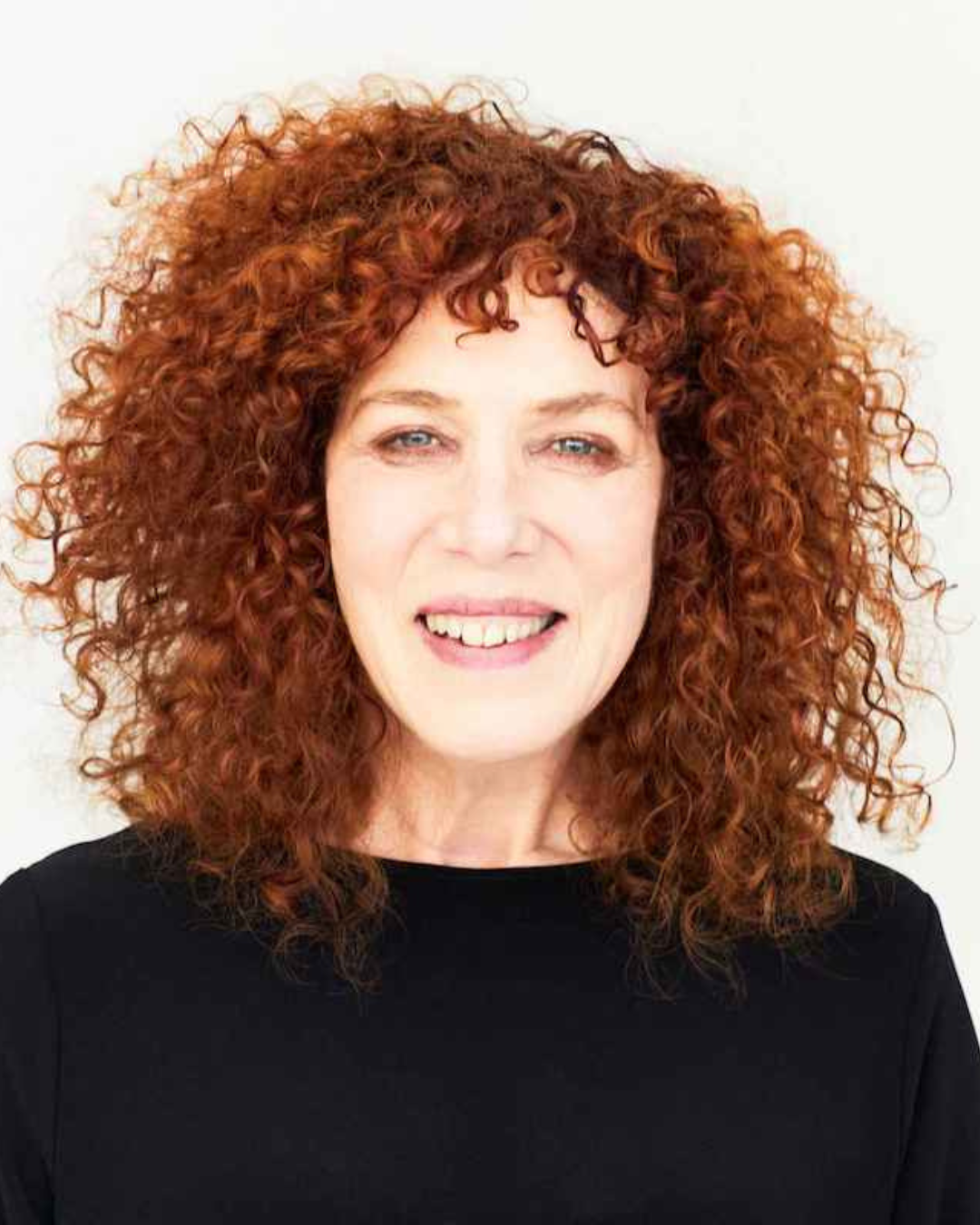
A gentle, intuitive listener who helps clients break long-standing patterns.

Pairs psychoanalytic depth with a warm, practical presence in every session.
Trauma results from exposure to an event or series of events that are emotionally disturbing or life-threatening, with lasting effects on functioning. This can include a single incident, like an accident, or prolonged difficult experiences, such as a challenging childhood history. Trauma affects mental, physical, social, and emotional well-being differently for each person, and its impact isn’t always immediately obvious even to the person experiencing it.
Unprocessed trauma can shape how a person thinks, feels, and relates to others long after the original event, even when it isn’t consciously remembered. It may surface as anxiety, difficulty trusting others, emotional numbness, or reactions that feel disproportionate to current situations. Recognizing these patterns is often the first step toward healing, since trauma responses are protective mechanisms that can be understood and gradually reshaped in therapy.
Therapists often draw on psychodynamic therapy, grounding techniques, and mindfulness-based strategies to help process difficult history at a manageable pace. These approaches focus on reducing distress, building resilience, and helping clients feel safe exploring painful experiences without becoming overwhelmed. Healing isn’t about forgetting the past but about reclaiming strength, restoring self-trust, and finding new, healthier ways to live and relate to others.
NYC Psychotherapy Cooperative offers a safe, compassionate environment where you can begin processing painful experiences without fear of judgment. Our trauma-informed therapists draw from psychodynamic therapy, grounding techniques, and mindfulness to reduce distress and build resilience. Located in Union Square, NY, our experienced team supports clients of all ages in reclaiming strength and finding new ways to live fully after difficult history.
Begin with a free 30-minute virtual consultation to discuss your history and goals in a safe, non-judgmental setting with an experienced clinician. Our licensed therapists in Union Square, NY, are skilled in supporting clients of all ages through difficult histories at a comfortable pace. Call +1 212-675-8497 or email info@nycpsychotherapycoop.com to schedule your consultation and start moving toward recovery and renewed self-trust.
We’re licensed psychotherapists, some with 30+ years’ experience, treating a wide range of concerns. We specialize in depression, bipolar disorder, anxiety, self-esteem, and childhood-origin issues, plus premarital, couples, and family counseling.
© 2026 NYC Psychotherapy Cooperative. All Rights Reserved.
Designed By Digital Drew SEM