


PTSD is characterized by intense, disturbing thoughts, feelings and dreams related to their traumatic experience that lasts long after the event has ended. One may relive the event through flashbacks or nightmares and may feel sadness, fear or anger as well as a sense of detachment or dissociation. Feeling estranged or threatened by other people is common.
At NYC Psychotherapy Cooperative, we provide a calm, affirming environment where you can share your story without judgment. Our therapists are skilled in trauma-informed care, working gently to help you process painful memories, reduce intrusive symptoms, and restore a sense of safety. We use evidence-based methods—such as psychodynamic therapy, mindfulness, and grounding techniques—tailored to your needs. The goal is not to erase the past, but to help you move forward with greater resilience, balance, and trust in yourself.

“Brannan never pushed me to relive anything before I was ready. That patience is the only reason I was able to heal at all.”
“The nightmares have become far less frequent. I spent years bracing for them, and now most weeks pass without one.”
“I had felt detached from everyone around me for a decade. Grounding work and steady support slowly brought me back into my own life.”
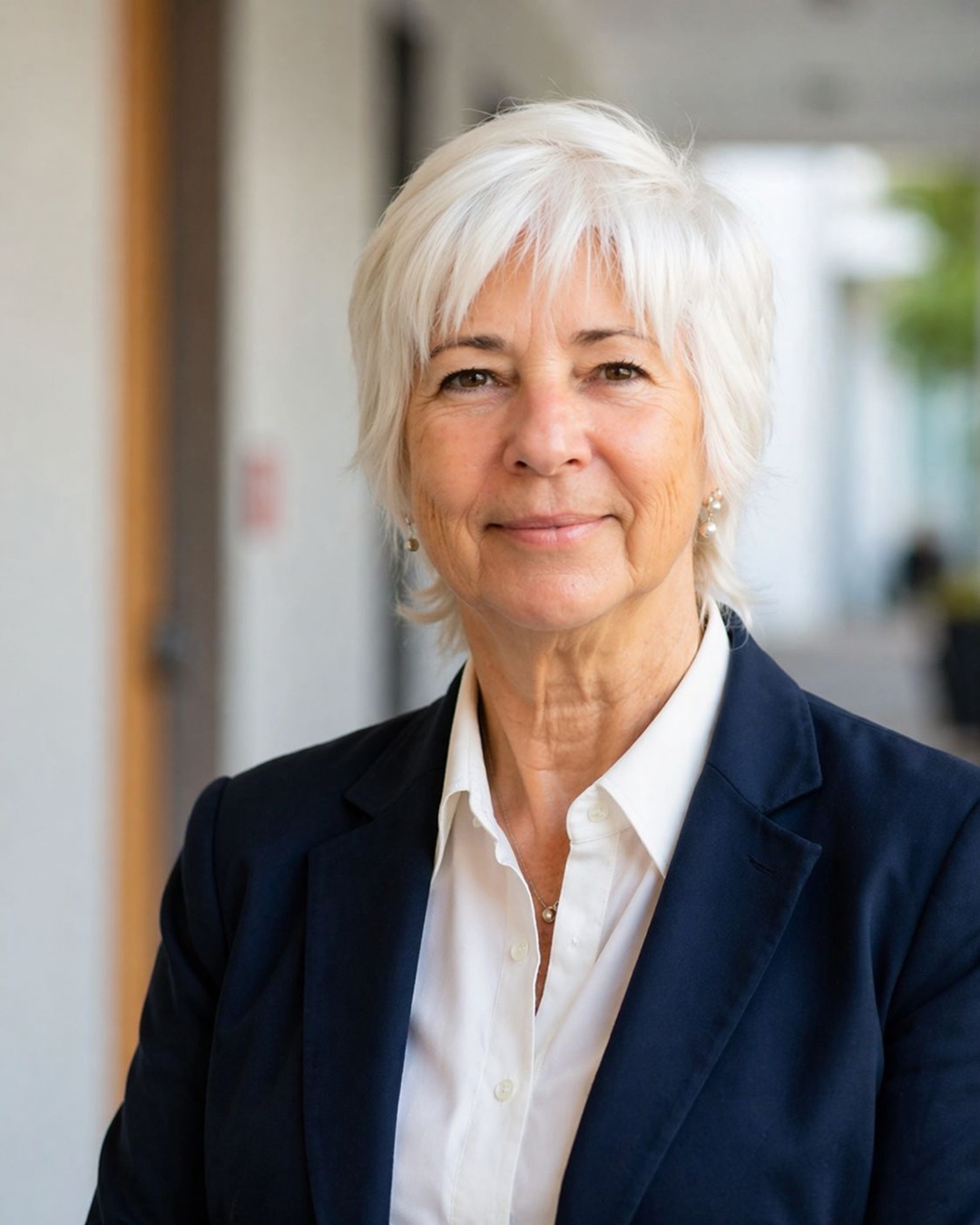
Helps partners and families slow down, understand, and move forward together.
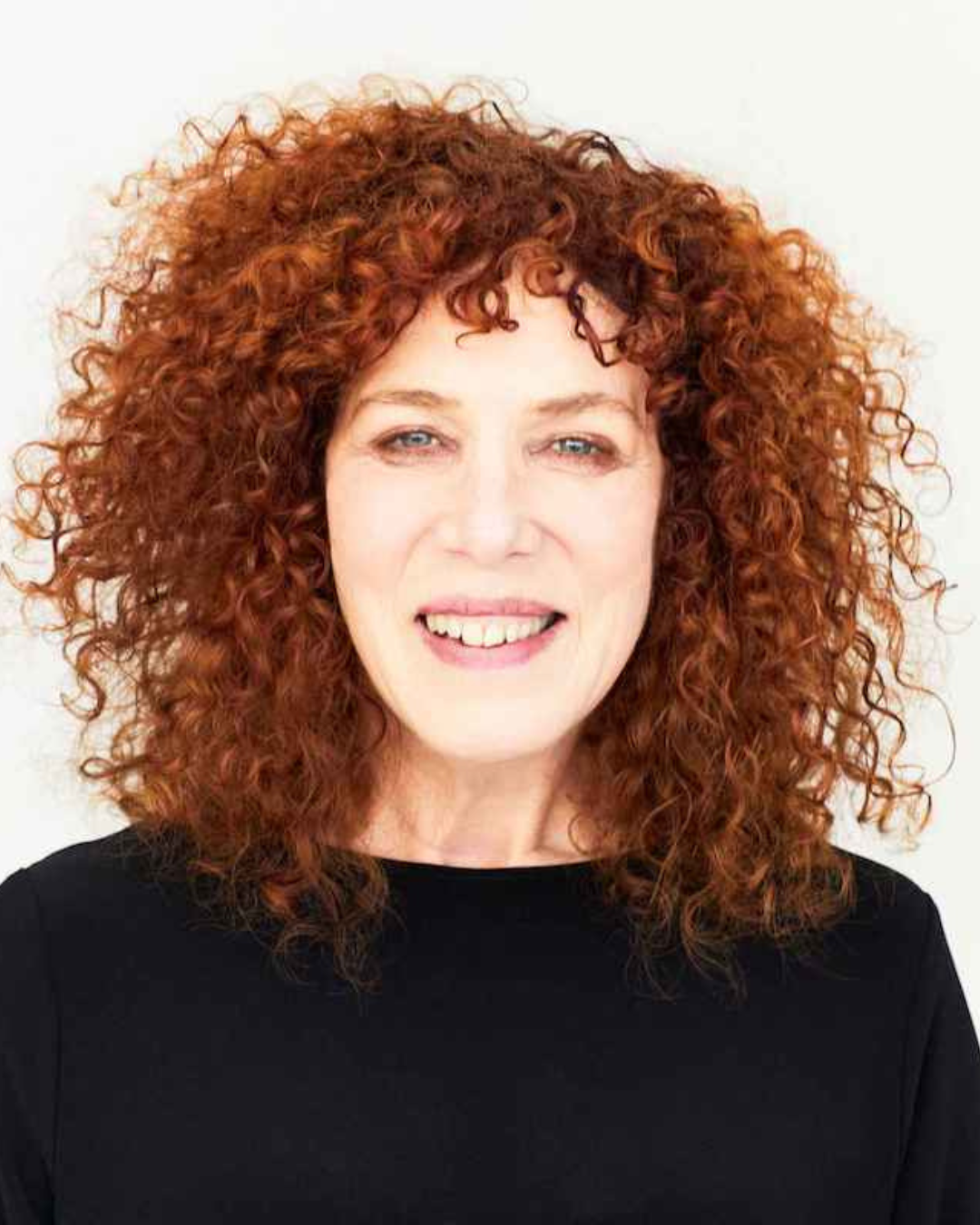
A gentle, intuitive listener who helps clients break long-standing patterns.

Pairs psychoanalytic depth with a warm, practical presence in every session.
PTSD often involves intense, disturbing thoughts, feelings, or dreams connected to a traumatic experience that persist long after the event has ended. Symptoms can include flashbacks, nightmares, sadness, fear, anger, or a sense of detachment and dissociation. Many people also feel estranged from or threatened by others, which can strain relationships. These symptoms can significantly affect daily functioning without appropriate, trauma-informed support.
Trauma-informed therapy prioritizes safety, trust, and pacing when working through traumatic memories. Rather than forcing recall, therapists use approaches like psychodynamic therapy, mindfulness, and grounding techniques to gradually reduce intrusive symptoms and rebuild a sense of control. The goal isn’t to erase what happened but to help you process painful memories at a manageable pace, restoring resilience, balance, and trust in yourself over time.
Yes, PTSD can result from a single incident or from repeated exposure to distressing events over time. Both can leave lasting effects on mental, physical, social, and emotional well-being. Some people develop symptoms immediately, while others notice them months or years later. Regardless of the cause or timing, trauma-informed treatment can help reduce symptoms and support long-term recovery and stability.
NYC Psychotherapy Cooperative provides a calm, affirming environment where you can share your story without judgment. Our therapists are skilled in trauma-informed care, using evidence-based methods like psychodynamic therapy, mindfulness, and grounding techniques tailored to your needs. Based in Union Square, NY, our team helps you process painful memories and reduce intrusive symptoms while moving forward with greater resilience and self-trust.
Starting treatment begins with a free 30-minute virtual consultation, giving you a chance to share your concerns in a safe, pressure-free setting with an experienced clinician. Our licensed, trauma-informed therapists in Union Square, NY, will help match you with the right fit for your healing journey. Call +1 212-675-8497 or email info@nycpsychotherapycoop.com today to take the first step toward lasting peace and safety.
We’re licensed psychotherapists, some with 30+ years’ experience, treating a wide range of concerns. We specialize in depression, bipolar disorder, anxiety, self-esteem, and childhood-origin issues, plus premarital, couples, and family counseling.
© 2026 NYC Psychotherapy Cooperative. All Rights Reserved.
Designed By Digital Drew SEM